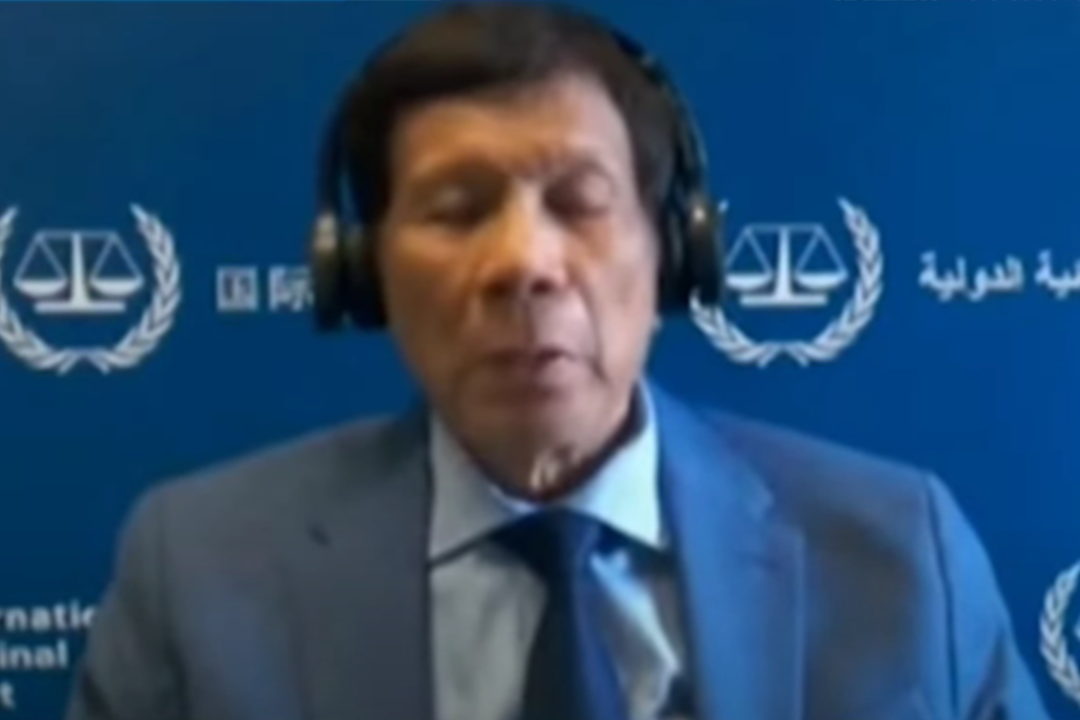
ICC Charges Former Philippine President Rodrigo Duterte with Crimes Against Humanity
Former Philippine president Rodrigo Duterte is facing formal charges of crimes against humanity from the International Criminal Court (ICC), making him the first Asian former head of state to be indicted by the tribunal.
Charges Filed by the ICC
According to the ICC, the 80-year-old Duterte is accused of being criminally responsible for dozens of murders tied to his controversial war on drugs. The charge sheet, dated July but released publicly only on Monday, alleges that Duterte acted as an “indirect co-perpetrator” of killings carried out by police and other actors under his leadership.
The indictment includes three counts:
-
The first count covers the killings of 19 individuals in Davao City from 2013 to 2016, when Duterte served as mayor.
-
The second count involves the deaths of 14 “high-value targets” across the Philippines during his presidency between 2016 and 2022.
-
The third count pertains to the murder and attempted murder of 45 people in operations known as village clearances.
Allegations of a Coordinated Plan
Prosecutors allege Duterte and his co-perpetrators pursued a “common plan or agreement to neutralize” individuals perceived as criminals, particularly those linked to drug use, sale, or production. The plan, they argue, relied on violent methods including murder to carry out its objectives.
The ICC deputy prosecutor, Mame Mandiaye Niang, emphasized that while Duterte may not have directly carried out the killings, his leadership and policies facilitated the acts.
The War on Drugs and Its Toll
Duterte’s anti-drug campaign, launched in 2016, became infamous worldwide for its brutality. More than 6,000 deaths were officially recorded, but human rights activists claim the actual number could be in the tens of thousands.
Despite criticism, Duterte repeatedly defended the campaign, framing it as a necessary effort to reduce crime. He never apologized for the violence, instead asserting that it was part of his commitment to protect ordinary citizens from drug-related crimes.
Custody in The Hague
Duterte is currently in custody at The Hague in the Netherlands, where the ICC is headquartered. This marks the first time in more than three years that a suspect has been flown there. His lawyers, however, have argued that Duterte’s poor health prevents him from standing trial.
Political Repercussions in the Philippines
Even while detained, Duterte retained influence in Philippine politics. In May, he was re-elected as mayor of Davao City, although his son Sebastian Duterte continues to serve as acting mayor in his absence.
Supporters of the former president have claimed that the ICC proceedings are politically motivated, alleging that President Ferdinand Marcos Jr., who has had a falling out with the Duterte family, is using the international court as leverage.
Limits of ICC Authority
The ICC relies on member states’ cooperation to arrest and surrender suspects. In most cases, governments have resisted such cooperation. The Philippines formally withdrew from the ICC in 2019 under Duterte’s administration. Although President Marcos has publicly dismissed the idea of working with the ICC in the past, Duterte’s transfer to The Hague earlier this year raised questions about behind-the-scenes political negotiations.
A Historic Indictment
Rodrigo Duterte’s case is significant not only for the Philippines but also for the international justice system. He is the first Asian former head of state to be indicted by the ICC, placing him in a rare category of leaders prosecuted for actions taken while in office.
While the trial’s timeline remains uncertain, the charges mark a pivotal moment in the global accountability movement, underscoring the ICC’s mission to investigate crimes of mass violence and human rights abuses.
The outcome of this case may shape both Duterte’s legacy and the future of international law in Asia.