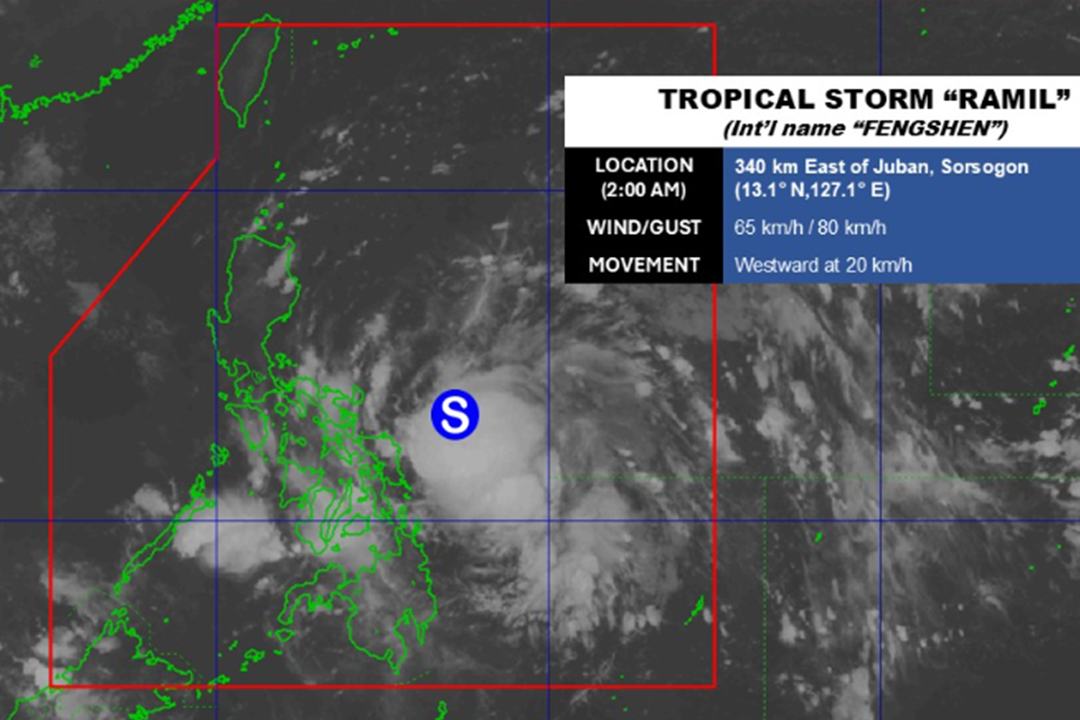
Tropical Storm Ramil (Fengshen) Forces Mass Evacuations in the Philippines
Thousands of residents across the Philippines have evacuated their homes as Tropical Storm Ramil, internationally known as Fengshen, made landfall in Gubat, Sorsogon, on Saturday, October 18. The storm, the 18th tropical cyclone to hit the country in 2025, has brought heavy rainfall, strong winds, and warnings of flooding and landslides across much of Luzon and the Visayas.
According to the Philippine Atmospheric, Geophysical and Astronomical Services Administration (PAGASA), Ramil struck Sorsogon late Saturday afternoon with sustained winds of 65 kilometers (40 miles) per hour and gusts of up to 80 kilometers (50 miles) per hour. The weather bureau warned that the storm could intensify as it moves northwest, with a second potential landfall expected in Central Luzon by Sunday.
PAGASA has placed several provinces under tropical cyclone wind signals and urged the public to remain alert for hazards including floods, landslides, and storm surges. It also cautioned coastal communities of waves reaching up to two meters (six feet), posing a moderate risk of coastal flooding.
Evacuations and Early Response
Local disaster officials reported that more than 27,000 residents from the provinces of Albay and Catanduanes were evacuated before the storm’s landfall. Authorities credited the country’s long-standing disaster preparedness efforts for the absence of reported casualties or major structural damage.
“We had heavy rain and wind gusts, though they were not that strong,” said Ryan Estrellado, a disaster responder in Gubat. “We’re still monitoring rivers and coastal areas, but most residents were able to move to evacuation centers safely.”
The National Disaster Risk Reduction and Management Council (NDRRMC) ordered local governments to activate their emergency response teams and ensure that food packs, clean water, and medical supplies were available in evacuation sites. Ferry operations were suspended in several ports, stranding hundreds of passengers but preventing maritime incidents as sea conditions worsened.
Forecast and Public Advisory
PAGASA continues to monitor Ramil’s movement closely and advised residents to follow updates on tropical cyclone wind signals, rainfall warnings, and storm surge forecasts through official bulletins. The public has been urged to bookmark government advisories and stay tuned for the latest news, photos, and videos from affected areas.
As of Saturday evening, Ramil was moving northwest at approximately 20 kilometers per hour, bringing heavy rain over the Bicol Region, Eastern Visayas, and southern Luzon. Forecasters warned that rainfall may persist through Monday, potentially affecting areas in Central Luzon and Metro Manila.
Preparedness Amid Recurring Disasters
The Philippines is struck by around 20 tropical storms and typhoons annually, many of which bring widespread flooding and displacement. Regions like Bicol and Eastern Visayas are particularly vulnerable as they often absorb the brunt of storms forming in the western Pacific. Over the years, residents have learned to respond swiftly, with local authorities maintaining organized evacuation procedures and public information systems.
However, experts warn that climate change is making tropical storms more powerful and erratic, increasing risks to lives and infrastructure. Warmer sea temperatures are fueling stronger cyclones that cause heavier rainfall and larger storm surges.
Ramil’s arrival comes as the country continues to recover from a series of powerful earthquakes over the past three weeks, which have claimed at least 87 lives and left many communities struggling to rebuild. The succession of natural disasters has tested local governments’ capacity to provide relief and maintain public safety.
Government Action and Relief Efforts
The Department of Social Welfare and Development (DSWD) has distributed food and hygiene kits to evacuees in Albay, Sorsogon, and Catanduanes, while the Philippine Coast Guard and Armed Forces of the Philippines (AFP) remain on standby for potential search and rescue operations. Minor flooding was reported in some parts of Sorsogon and Albay, but no major landslides or infrastructure damage have been confirmed.
Government officials have urged residents to remain indoors, avoid crossing swollen rivers, and heed warnings from local authorities. PAGASA continues to track Ramil’s path and will issue regular updates on its tropical storm track, rainfall warnings, and storm surge advisories until it exits the Philippine Area of Responsibility.
Tropical Storm Ramil (Fengshen) highlights the Philippines’ ongoing vulnerability to natural hazards, underscoring the importance of preparedness, early warning systems, and climate resilience in mitigating disaster impacts.