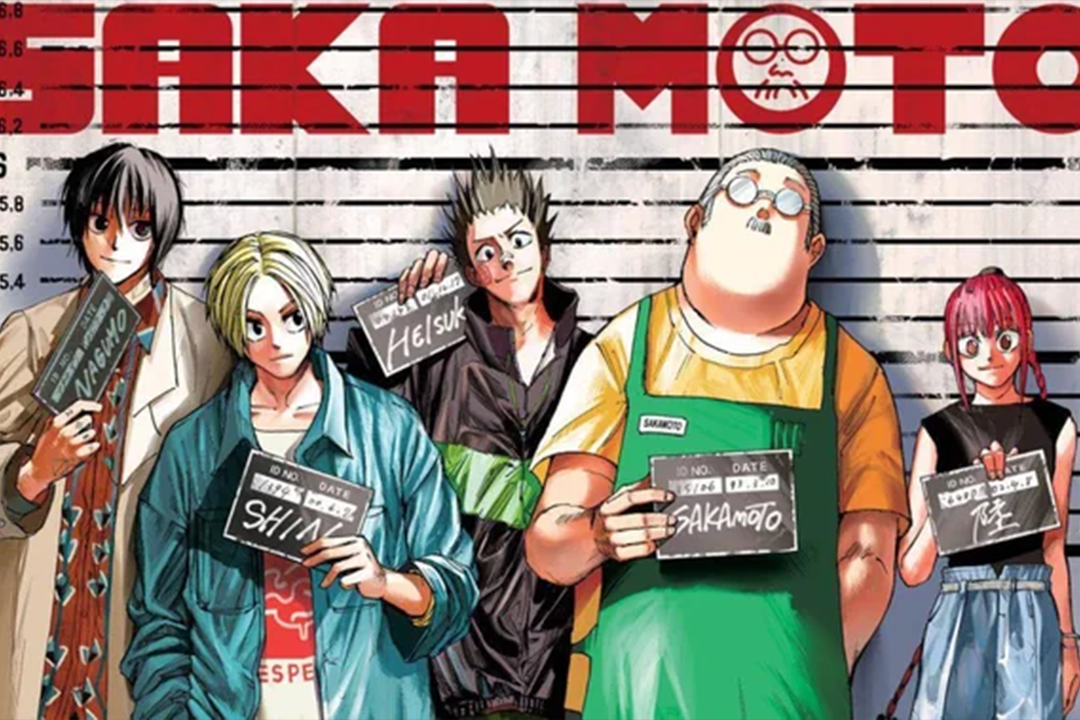
ANIME REVIEW: Sakamoto Days (Non-Spoiler)
When Sakamoto Days first popped onto my watchlist, I figured it’d be a simple comedy about a chubby ex-hitman struggling to balance groceries and grudges. What I got was a stylish, surprisingly sharp blend of humor, family drama, and unapologetic violence. Season 1’s split into Part 1 and Part 2 helps it breathe — the first half is light, fast, and character-driven, while the second dives deep into the darker, bloodier side of the assassin world.
Story & Tone
The premise is simple: Taro Sakamoto, once Japan’s deadliest hitman, retires to run a corner store with his wife and daughter. Naturally, his quiet life doesn’t stay quiet. Part 1 balances slapstick with smart choreography, giving us moments like the convenience-store brawl — an instant classic that turns everyday items into instruments of destruction. Part 2, however, shifts tone hard with the introduction of The Order, an elite enforcement unit under the JAA. It’s the point where the laughs start sharing space with unease, and where the story truly levels up from “retired hitman hijinks” to “survival in a world of professionals.”
The Order and Takamura’s Kanto Branch Defense
Enter The Order — the assassin world’s version of a regulatory agency that uses swords instead of spreadsheets. They don’t just keep the peace; they enforce it through intimidation, precision, and a little creative murder. Their arrival gives Part 2 its identity, and their methods raise moral questions without ever stopping the fun.
And then there’s Takamura. If Part 2 had a showstopper, it’s the Kanto Branch defense, where Takamura singlehandedly repels an invasion on the JAA’s Kanto headquarters. The man barely speaks, barely moves, and still ends up turning entire squads into confetti. The scene is brutal, clean, and beautifully directed — no flashy sound effects, just the terrifying calm of someone too good at their job. It’s one of those sequences that makes you pause and think, “Oh, this is the ceiling.” Takamura doesn’t need monologues or theatrics; he embodies the quiet professionalism that the rest of the cast scrambles to live up to.
Meanwhile, Nagumo and Osaragi shine in their own ways — Nagumo’s charm hides cunning layers, and Osaragi’s playful nonchalance keeps the group unpredictable. Together, they show why The Order isn’t just a gang of overpowered killers — they’re a philosophy wrapped in efficiency and style.
Characters & Development
The show’s real trick is making the supporting cast feel alive. Shin Asakura’s growth from nervous rookie to confident partner is steady and believable. Lu Shaotang stays the comedic core, a mix of chaos and care. Heisuke Mashimo, our anxious sniper, provides both tension and unintentional comedy — the kind of character you want on your team but maybe not near a detonator.
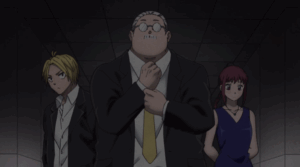
And then there’s Takamura, the perfect foil to Sakamoto’s humanity. He’s what Sakamoto could’ve become if he never left the life — disciplined, detached, and terrifyingly efficient. His inclusion deepens the moral backbone of the story without anyone having to spell it out.
Animation & Visuals

Visually, Sakamoto Days nails the contrast between domestic absurdity and deadly precision. Part 1 plays it bright and expressive, perfectly matching the humor. Part 2 tightens the frame, trading slapstick for fluid, heavy motion during fights. The Kanto Branch defense is the clear highlight — fast, clean, and brutal in its stillness. The animators understood the assignment: less flash, more impact. Sure, some filler scenes look a bit rushed, but the direction during action beats more than makes up for it.
Antagonists and the Blurred Line Between Justice and Survival
What makes Sakamoto Days so refreshing is that it doesn’t really have traditional “villains.” Everyone here — from the smiling family man to the unhinged hitman — lives by a personal code, not a moral compass. The line between hero and villain is as thin as a wire used for strangling.
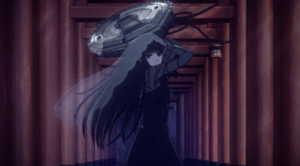
Take The Order, for instance. They’re supposed to be the enforcers of balance, the assassins who keep other assassins in check. But watching them in action, you start wondering if “balance” is just a prettier word for sanctioned brutality. Takamura, with his sword and unnerving calm, embodies that contradiction — a man so terrifyingly efficient that you forget he’s technically on the side of “good.”
Even within Sakamoto’s circle, righteousness isn’t always clean-cut. Shin kills when he has to. Lu fights out of loyalty and anger. And Sakamoto himself — no matter how many vegetables he sells — can never quite wash the blood off his hands. The series constantly toys with that idea: that maybe you can’t be a “former” assassin, just one trying to point his violence in a kinder direction.
Meanwhile, the supposed enemies — the ones like Slur’s group — often come off less evil and more… ideological. Their world is broken, their methods horrifying, but their logic sometimes hits too close to home. They see themselves as reformers, not monsters, and that uncomfortable gray area is what keeps Sakamoto Days from falling into the usual “good vs. evil” routine.
In short, Sakamoto Days doesn’t ask who’s right or wrong — it asks who’s left standing and whether they can still live with themselves afterward.
What Worked
-
A cast that clicks. Every member of the ensemble — Sakamoto, Shin, Lu, and The Order — brings something distinct to the table. The chemistry feels natural, not forced.
-
Comedy with consequence. The humor isn’t just filler between fights; it amplifies the impact when things get serious.
-
The Order’s presence. Their arrival changes the entire tone of the show. Takamura’s Kanto Branch scene says more with silence than most characters do with full dialogue.
-
Top-tier fight direction. Every skirmish feels intentional — fluid, heavy, and surprisingly creative in how everyday objects become deadly weapons.
What Didn’t
-
Occasional pacing bloat. The middle arc lingers a bit too long on setup, causing some energy loss between big moments.
-
Uneven visual polish. While the major fights are stunning, a few quieter scenes look noticeably less refined.
-
Abrupt tonal jumps. The blend of comedy and violence usually works, but sometimes the switch feels too sudden — like the editor sneezed and cut to the next mood.
Final Verdict

Sakamoto Days Season 1 (Parts 1 & 2) is a near-perfect balance of chaos, charm, and craft. It turns a silly premise into a layered, kinetic story that can make you laugh one moment and wince the next. The arrival of The Order, capped by Takamura’s flawless defense of the JAA Kanto Branch, elevates the entire series — it’s not just about assassins anymore; it’s about legacy, restraint, and the cost of walking away. For me, it’s an easy 8.5/10 — inventive, confident, and begging for a second season that swings just as hard.