Philippines Corruption Probe Widens to Infrastructure Beyond Flood Projects
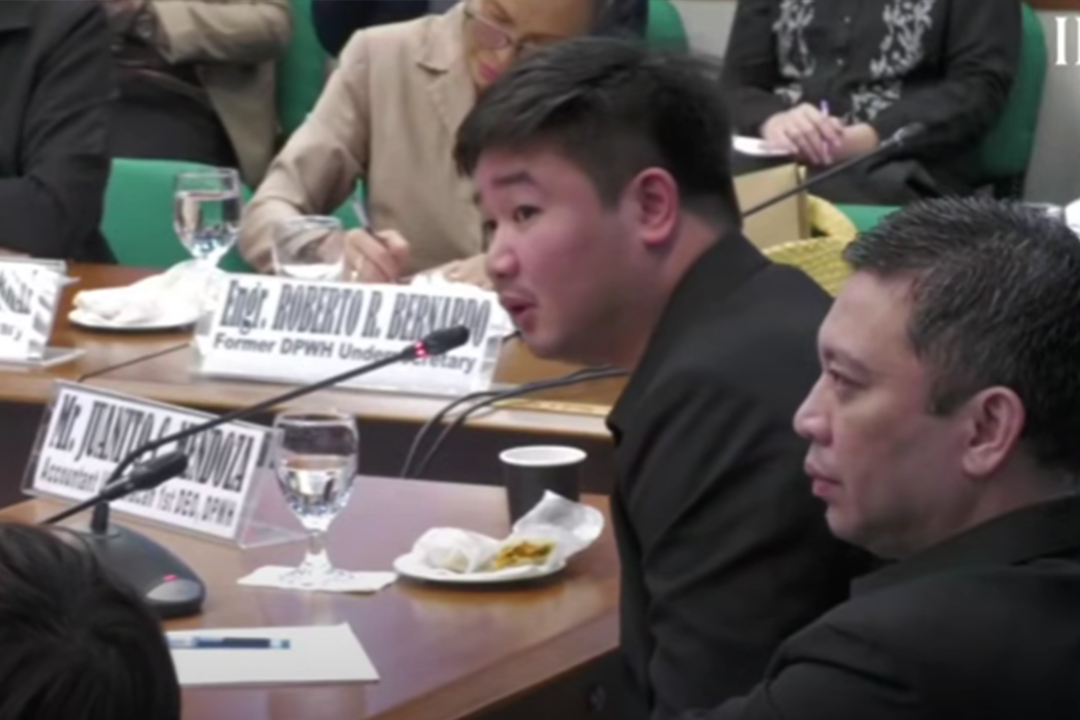
The Philippines’ ongoing corruption investigation has widened to cover more infrastructure projects, following new testimony presented at a Senate inquiry on September 23.
Allegations of Overpricing and Poor Quality
Former assistant district engineer Brice Hernandez testified that corruption was not limited to flood-mitigation projects. He revealed that street lamps, roads, and buildings in Bulacan province, north of Manila, were also overpriced and constructed using substandard materials. Hernandez said a significant portion of the project budgets allegedly went into the pockets of politicians instead of being used for quality construction.
“All projects didn’t follow what were specified in the plans,” Hernandez said during the hearing. His statement underscored how widespread corruption practices have allegedly weakened the integrity of infrastructure works.
Senate Investigation Expands Scope
The Senate probe initially focused on flood-control infrastructure, but Hernandez’s testimony broadened the inquiry to include other public works projects. Lawmakers are now examining whether funds intended for essential infrastructure were diverted through graft, contributing to the construction of unsafe and substandard public facilities.
Potential Scale of Losses
Reports suggest that trillions of pesos may have been lost to corruption in flood-control projects alone. If Hernandez’s claims are verified, the scale of losses across other public works projects could be significantly higher. Analysts and watchdog groups have raised concerns that corruption of this magnitude undermines public trust, delays development, and compromises the safety of communities.
Public Reaction and Protests
The corruption scandal has triggered widespread public outrage. Over the weekend, thousands of Filipinos took to the streets to protest against government graft. Demonstrators demanded accountability from both officials and contractors involved in questionable infrastructure spending. Many protesters carried placards calling for stronger enforcement of anti-corruption laws and greater transparency in the allocation of public funds.
Broader Implications
The widening scope of the investigation highlights the systemic nature of corruption within infrastructure development. Substandard projects not only waste taxpayer money but also endanger lives by providing weak flood defenses, unsafe roads, and poorly built structures. Critics argue that unless strong reforms are implemented, similar issues will persist across future projects.
The Philippines’ corruption probe continues to expose the depth of irregularities in public works. From overpriced flood-mitigation projects to allegedly substandard roads, lamps, and buildings, the scandal paints a troubling picture of how infrastructure development has been compromised. With Senate inquiries intensifying and public protests mounting, the investigation underscores the urgent need for transparency, accountability, and systemic reform in government infrastructure projects.