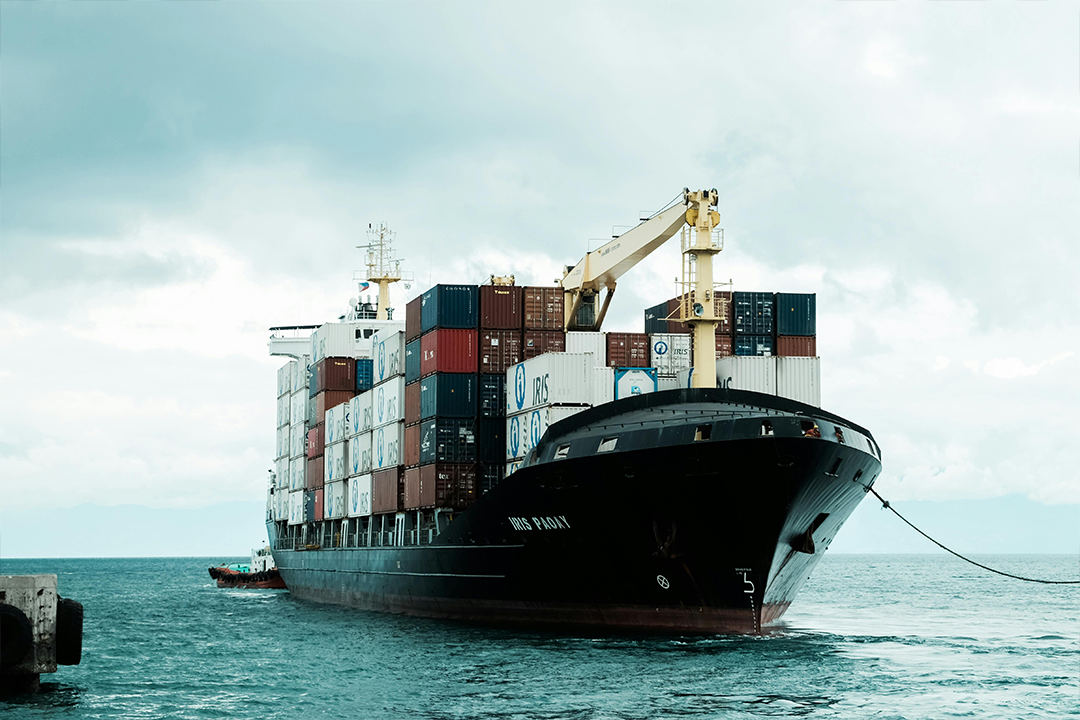
U.S. Blocks Global Shipping Carbon Plan, Putting Filipino Seafarers at Risk
The United States has blocked a landmark global deal to cut carbon emissions from ships, prompting the International Maritime Organization (IMO) to delay its vote on the measure and raising concerns about potential consequences for Filipino seafarers, who make up the world’s largest maritime workforce.
The London-based IMO on Friday, October 17, postponed formal approval of the Net Zero Framework (NZF), a proposed carbon-pricing system aimed at reducing greenhouse gas emissions from international shipping. The move came after U.S. President Donald Trump warned of sanctions against countries supporting the plan.
The postponement, approved by a narrow 57–49 vote, marked a diplomatic win for Washington, which withdrew from IMO negotiations earlier this year and denounced the proposal as a “scam.”
Deal Meant to Cut Shipping Emissions
The Net Zero Framework sought to make large vessels gradually cut carbon emissions starting in 2028 or face financial penalties. Proceeds from the carbon pricing system would have rewarded low-emission ships and supported climate-vulnerable countries, including the Philippines, in adapting to rising sea levels and extreme weather.
Shipping currently accounts for about 3% of global greenhouse gas emissions, according to the IMO. The plan had broad support from the European Union, China, Brazil, the United Kingdom, and several Pacific island nations.
U.S. and Oil Producers Oppose Plan
The U.S. rejection was backed by major oil producers such as Saudi Arabia, Russia, and the United Arab Emirates, which argued that the carbon levy would hurt food security and economic growth. Argentina also switched from abstaining to voting against the measure.
“I am outraged that the International Maritime Organization is voting in London this week to pass a global Carbon Tax,” Trump wrote on Truth Social, calling it a “Global Green New Scam Tax on Shipping.”
IMO Secretary-General Arsenio Dominguez expressed frustration over the outcome, saying the breakdown “doesn’t help your organization, it doesn’t help yourself,” following what delegates described as a chaotic plenary session.
Philippines Faces Risks
The delay could have direct repercussions for the Philippines, which supplies a significant portion of the world’s seafarers. Changes in global shipping policy or the imposition of U.S. sanctions could affect the country’s maritime labor market and related industries.
Filipino seafarers, who crew thousands of ships worldwide, may face new uncertainties if U.S.-led restrictions alter trade routes, ship registrations, or crewing practices. The decision also postpones potential financial assistance for climate adaptation that would have benefited countries vulnerable to extreme weather events.
Climate Impact and Next Steps
The April vote had been expected to cement the Net Zero Framework, but U.S. pressure derailed expectations and exposed divisions between developed economies and fossil fuel exporters.
If adopted in 2026, the measure would make it harder for ships—including U.S.-flagged vessels—to evade emission inspections during foreign port calls, in line with existing IMO conventions that allow the detention of non-compliant ships.
For the Philippines and other climate-exposed maritime nations, the setback means another year of uncertainty and a missed opportunity to slow the shipping industry’s contribution to global warming.