
Side A Now & Then 2026: The Band That Defined Modern Filipino Love Songs
Side A remains one of the most recognizable pop and ballad bands in the Philippines. For more than three decades, the group has been closely associated with heartfelt love songs, clean melodies, and a sound that helped shape the country’s adult contemporary and easy-listening music scene.
Formation and Early Years (1985–1989)
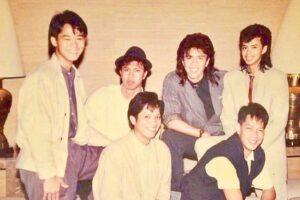
Side A formed in 1985, at a time when local pop music was beginning to move toward softer and more emotionally driven material. The group started on the local bar and lounge circuit, focusing on clear vocals and melodic arrangements rather than heavy rock instrumentation.
The original and early lineup that helped establish the band included:
-
Ding Silverio – vocals, guitar
-
Gabe Escalon – lead guitar
-
Bobot Barroga – bass
-
Rodel Gonzalez – vocals, saxophone
-
Naldy Gonzalez – keyboards, vocals
- Pido Lalimarmo – guitars, vocals
-
Mar Dizon – drums
During this period, Side A built a reputation for smooth and romantic live performances. Their self-titled debut album was released in 1989 and formally introduced the band to the mainstream recording market.
Breakthrough and Mainstream Recognition
By the late 1980s and early 1990s, Side A had become a consistent presence on Philippine radio. Their music fit naturally into contemporary pop and love-song programming.
Two of the group’s best-known recordings, Forevermore and Tell Me, helped define the band’s public image as a reliable source of emotional and radio-friendly ballads.
Album sales, television appearances, and steady provincial and city performances strengthened the band’s reach across different audiences nationwide.
The Classic and Commercial Peak Lineup (1990s–mid-2000s)
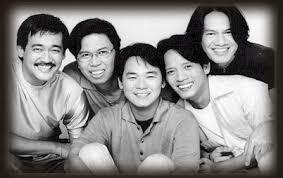
Following early lineup changes, Side A settled into what many fans recognize as its most commercially successful configuration.
The band’s core lineup during its peak years included:
-
Joey Generoso – lead vocals, guitar
-
Kelly Badon – lead guitar
-
Joey Benin – bass, vocals
-
Ernie Severino – drums
-
Naldy Gonzalez – keyboards, vocals
This lineup produced most of the band’s most familiar material and represented Side A during its strongest commercial run throughout the 1990s and early 2000s.
Musical Identity
Side A became known for clean arrangements, soft keyboard lines, restrained guitar parts, and carefully structured melodies. The band consistently centered its music on love, heartbreak, longing, and emotional uncertainty.
Rather than relying on complex production, the group prioritized emotional clarity and vocal delivery. This approach helped build a loyal following and made their songs closely tied to personal memories and relationships for many listeners.
Mid-2000s Transitions
Changes began again in the mid-2000s. Kelly Badon exited the group in 2005 and was replaced by:
-
Leevon Cailao – lead guitar, vocals
In 2008, Joey Benin also left the band and was replaced by:
-
Ned Esguerra – bass
Joey Generoso remained the group’s lead vocalist until 2015, when he officially departed to focus on a solo career.
Later Lineups and Continuing Performances (2010s–Present)

Following Joey Generoso’s departure, Side A continued to perform and tour with a refreshed lineup while maintaining its original musical direction.
The current touring and performing lineup includes:
-
Naldy Gonzalez – keyboards and musical director
-
Ernie Severino – drums
-
Leevon Cailao – guitars and vocals
-
Ned Esguerra – bass
-
Yubs Esperat – lead vocals and acoustic guitar
Naldy Gonzalez remains the only continuous member from the band’s formation in 1985 to the present day.
Reunions and the “Now and Then” Concert Era
In recent years, Side A has actively embraced its long history through special reunion projects and concerts that bring together former and current members.
Past members such as Rodel Gonzalez, Joey Benin, Kelly Badon, and Mar Dizon have reappeared in selected reunion performances and recordings, allowing fans to experience multiple eras of the band on the same stage.
Most notably, the band staged its “Now and Then” concert series, which featured both original and current lineups in a single production. The show was presented with a full 30-piece orchestra, expanding the band’s classic ballads into orchestral arrangements while preserving their original melodies and structure.
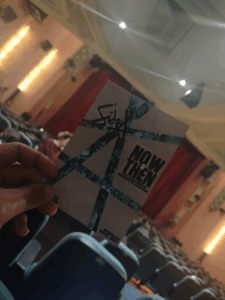
Paper Straw Media had the honor and privilege of being invited to attend and witness the “Now and Then” concert performance, accompanied by a 30-piece orchestra under Ria Villena Osorio, last February 21, 2026 at the historic Manila Metropolitan Theatre, witnessing firsthand the collaboration between Side A’s original members (Rodel Gonzalez, Benin, Pido Lalimarmo) and its present-day lineup (Naldy Gonzalez, Severino, Cailao, Esguerra, Esperat).
This intergenerational mix did more than just revisit old favorites — it illustrated how Side A’s music has evolved while preserving the emotional core that attracted fans in the first place.
One of the standout elements of the concert was the 30-piece orchestra, led by Ria Villena Osorio, whose lush arrangements expanded the familiar Side A catalog into a cinematic soundscape. Songs that fans have known for years — usually with guitar and keyboard–centered production — were transformed by rich strings, bold brass sections, and sweeping woodwinds. The result was a dramatic yet sensitive reinterpretation that highlighted the band’s songwriting in a new light.
Sustaining Popularity in a Changing Industry
As the Philippine music industry moved toward digital platforms and streaming-driven releases, Side A maintained its visibility through live shows, corporate events, and nostalgia-focused concerts.
The band continues to draw strong audiences, particularly for reunion performances that highlight its long catalog of romantic pop hits.
Cultural Impact and Legacy
Side A played a key role in establishing a softer, emotionally focused pop sound in Philippine mainstream music. The group demonstrated that ballad-driven bands could achieve long-term commercial success without shifting toward heavier or trend-based production.
Through songs such as Forevermore, So Many Questions, and Di Pa Huli, Side A influenced how Filipino love songs were written and arranged, favoring clear storytelling, expressive vocals, and simple but polished instrumentation.
Today, Side A stands as one of the most enduring Filipino pop ballad groups of the late 20th century and beyond. Its long-running career, evolving roster, and continued presence on the live concert circuit confirm the band’s lasting place in Philippine pop music history.