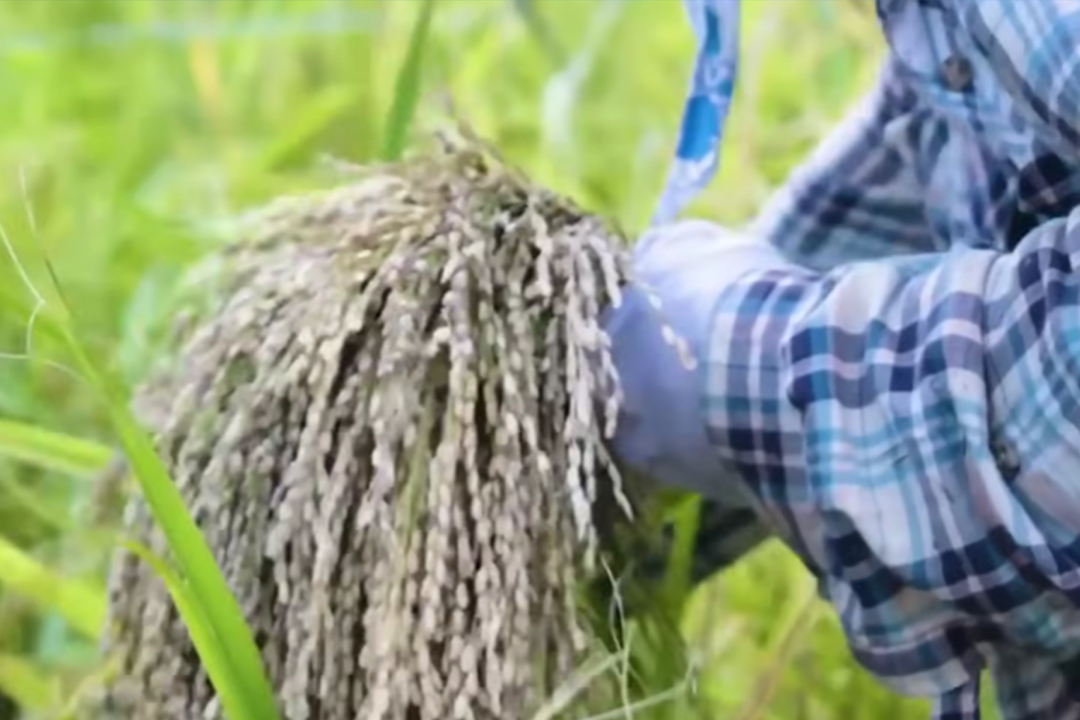
Farmers’ Group Calls for 35% Rice Import Tariff to Protect Local Palay Prices
The Federation of Free Farmers (FFF) has once again called on the Philippine government to reimpose the 35-percent tariff on rice imports to prevent further declines in local palay (unmilled rice) farmgate prices. The group stressed that immediate action is necessary to protect farmers from the negative impact of cheap imported rice flooding the domestic market.
More than a year ago, President Ferdinand Marcos Jr. issued Executive Order 62, reducing rice import tariffs from 35 percent to 15 percent. The measure aimed to curb rising rice prices in the country and ensure affordability for consumers.
Oversupply of Cheap Rice Hits Farmers
Despite the initial objective, the FFF noted that a drop in global rice prices led to an oversupply of imported rice in the Philippines. This influx of cheaper rice reportedly pushed palay farmgate prices down to as low as ₱8 per kilogram in some areas during the dry season harvest from April to June.
“The reduction in tariffs allowed imported rice to enter the market at very low prices, leaving local farmers with little bargaining power,” said Raul Montemayor, national manager of the FFF.
While the situation temporarily improved following a 60-day suspension of rice imports announced by President Marcos this month, the farmers’ group warned that the problem is likely to return as the wet season harvest begins.
Concerns About Post-Ban Market Flooding
Montemayor explained that palay traders expect cheap imported rice subjected to the 15-percent tariff to flood the market once the import ban is lifted in November. “This forces them to buy at low prices in order to compete,” he said.
He added that simply extending the import ban by 15 to 30 days would not resolve the underlying issue. “The only real solution is to restore the 35-percent tariff on imported rice,” Montemayor emphasized.
He also clarified that restoring the higher tariff would not necessarily result in higher retail prices for consumers, citing the significant profit margins currently enjoyed by importers, wholesalers, and retailers.
Criticism of the National Food Authority
The FFF also criticized the National Food Authority (NFA) for failing to purchase more palay from local farmers. Montemayor attributed the problem to limited warehouse capacity caused by the slow outflow of rice stocks, which in turn leads to aging inventory.
“To address the issue effectively, the NFA should coordinate with large farmer cooperatives and use them as satellite buying stations,” Montemayor suggested.
Proposed Solutions
He explained that many cooperatives already possess the warehouses, driers, trucks, personnel, and other assets necessary to assist the NFA in buying, storing, milling, and distributing palay at a lower cost. By leveraging these resources, the NFA could increase local purchases without incurring significant additional expenses.
“The cooperative network can complement the NFA’s capacity, ensuring that palay farmers are able to sell their harvests at fair prices while maintaining a stable rice supply for the market,” Montemayor added.