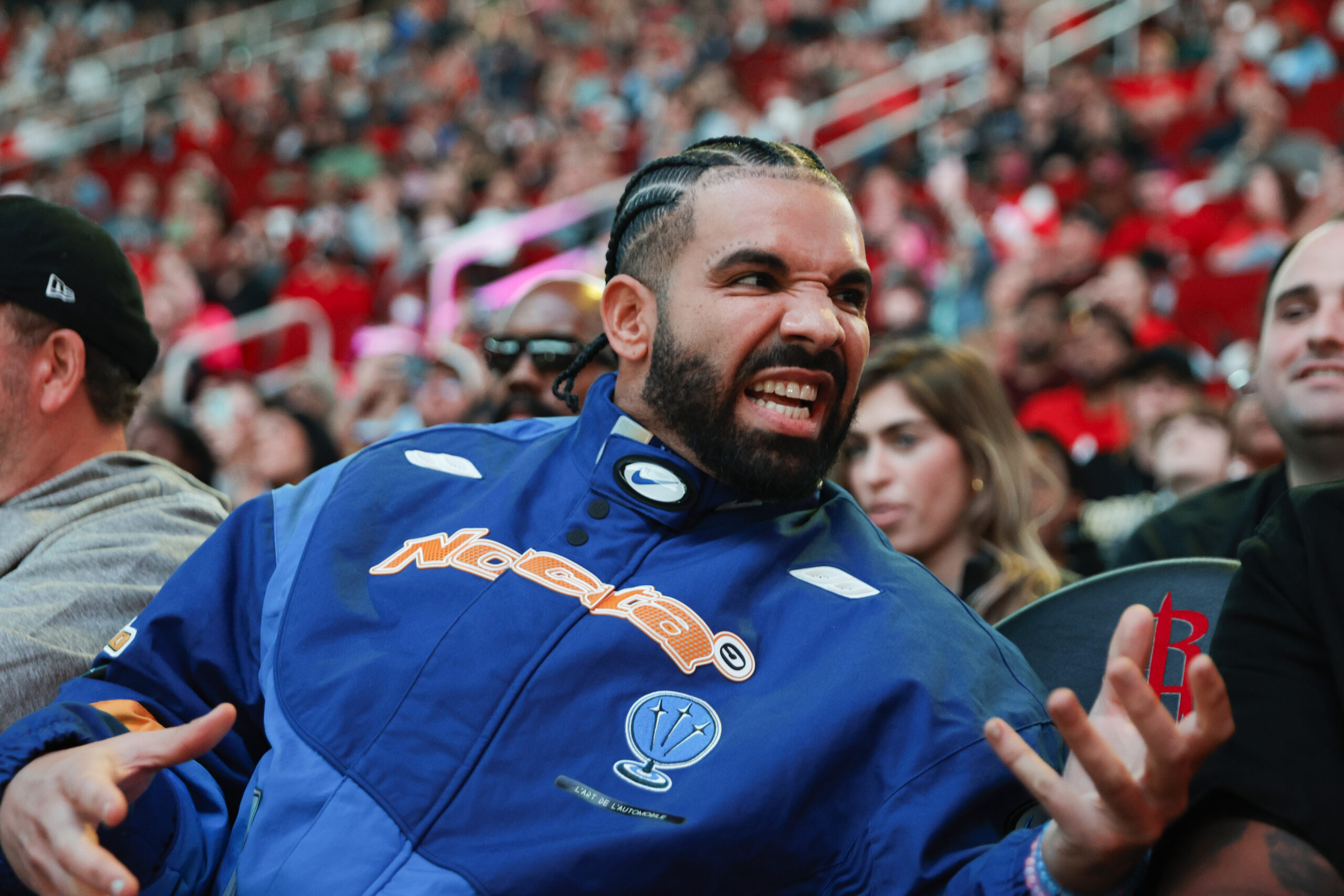
Spotify Accused of Overlooking Bot Activity Inflating Drake’s Billions of Streams
Spotify is under scrutiny again, as a class-action lawsuit was filed over the weekend, accusing the platform of allowing billions of fake streams to inflate Drake’s listening numbers. The lawsuit, filed by the rights management firm RBX, alleges that a significant portion of the rapper’s 37 billion Spotify plays came from automated bot accounts, VPNs, and fraudulent traffic between 2022 and 2025. The case argues that Spotify knowingly overlooked these artificial streams, unfairly diverting royalty payouts from other artists and misrepresenting listener engagement metrics.
On Sunday, Nov. 2, a class action was filed naming RBX as the main plaintiff, representing a broader group of artists claiming unfair treatment on Spotify. The complaint argues that musicians with genuine audience engagement lose out financially when others benefit from inflated streaming numbers, as the platform’s royalty system distributes revenue based on the total share of streams. According to the filing, a significant portion of Drake’s reported 37 billion Spotify plays may have originated from an extensive network of automated bot accounts. Supporting evidence points to irregular VPN activity and unusually dense streaming spikes. One example notes around 250,000 plays of Drake’s “No Face“ in the U.K. during 2024, which were later traced to users in Turkey.
Could the Spotify Bot Allegations Mark Another Defeat for Drake?
In October, a U.S. federal judge dismissed Aubrey Graham v. Universal Music Group, the defamation case Drake filed following his feud with Kendrick Lamar. In the previous report, the court found that the lyrics in Lamar’s track “Not Like Us“ were protected as artistic expression rather than literal statements. The ruling ended Drake’s legal challenge against UMG, signaling another setback in his ongoing rivalry with Lamar and closing one of the most public chapters of their dispute.
Why Drake Took UMG to Court Instead of Kendrick
Anyone following the rap battle between Kendrick Lamar and Drake might have expected the Family Matters rapper to take legal action for defamation. However, lawsuits are rarely a part of hip-hop culture, where lyrical disputes are typically settled through music, rather than in courts. Ironically, Drake himself was the first to make personal allegations, claiming in his Family Matters verse that Whitney Alford’s children were fathered not by Lamar but by his longtime friend and collaborator, Dave Free.
Rather than suing Lamar directly, the Canadian rapper filed his defamation case against Universal Music Group, the label representing both artists. This approach aimed to hold the company accountable for distributing and profiting from “Not Like Us“ while avoiding a direct artist-to-artist legal battle. By 2025, the dispute had reached the courtroom, with Drake arguing that the track’s lyrics were defamatory. After the verdict, both rappers have remained silent, leaving fans to debate how this outcome reshaped their rivalry in the streaming era.
The Rap Battle That Turned Into a Legal War
In the same filing against UMG, which accused the label of amplifying Kendrick’s “Not Like Us” to harm his reputation, it mentioned popular YouTube reactors who helped the track go viral through monetized reaction videos.
Streamers such as Kai Cenat, No Life Shaq, and Zias! were cited as part of the evidence, though not named as defendants. Their reactions quickly went viral when news broke, with Kai Cenat responding on stream, saying, “Wait… I’m getting sued?”
With Drake aiming lawsuits at reactors, he created new enemies. Instead of fearing the rapper, the reactors continue pointing out what’s wrong with his behavior. Some mocked Drake’s UMG lawsuit, which requested a paternity test for Lamar’s kids and his UMG contract. Scru Face Jean wrote a rap about Drake’s lawsuit.
The case highlighted how modern rap beefs now intersect with streaming platforms and reaction culture, blurring the lines between artistry, fandom, and digital influence.
How Courts Find the Use of Bots on Streaming Platforms Like Spotify
The issue of artificial streaming has come under legal scrutiny, as courts increasingly classify bot-generated plays as deceptive actions that distort royalty payments and listening metrics. One early case involved a consultant convicted of using automated systems to inflate Spotify streams, setting a precedent for streaming manipulation as a form of fraud.
Recent lawsuits have alleged that Spotify ignored manipulated data that artificially inflated numbers for high-profile artists, such as Drake. Court complaints also highlighted the unrealistic patterns of automated streaming behavior, noting that “real humans don’t stream Drake songs 23 hours a day.“ Another filing highlighted how artificial streams undermine royalty fairness and misrepresent an artist’s reach, prompting courts to categorize bot-driven activity as unfair competition.
In SEO, using bots is considered a violation of Google’s guidelines. But in the music industry, bot-driven streaming falls into a gray area. There are no specific laws that directly prohibit it, yet such actions can be seen as fraudulent when they manipulate royalties, rankings, or listener data. Platforms like Spotify treat artificial streams as policy violations, making them subject to account suspension or legal action under broader fraud regulations.